Please turn your device to portrait.

UK-based modular housing start-up Modulous set to collapse due to failed funding deal.
MMC kit-of-parts modular housing startup Modulous has filed for administration. The London-based company, known for its innovative approach to tackling the housing crisis, is grappling with £4 million (AUD $7.6 million) debt and the collapse of crucial funding deals. The news comes as a stark reminder of the challenges facing the modular construction sector, which has seen several other prominent firms fail in recent times.
Modulous was founded in 2018 by a team of construction, technology, and manufacturing specialists to create an asset-light model for the design and delivery of modern methods of construction (MMC) sustainable modular homes in direct response to the global housing crisis and escalating climate emergency.
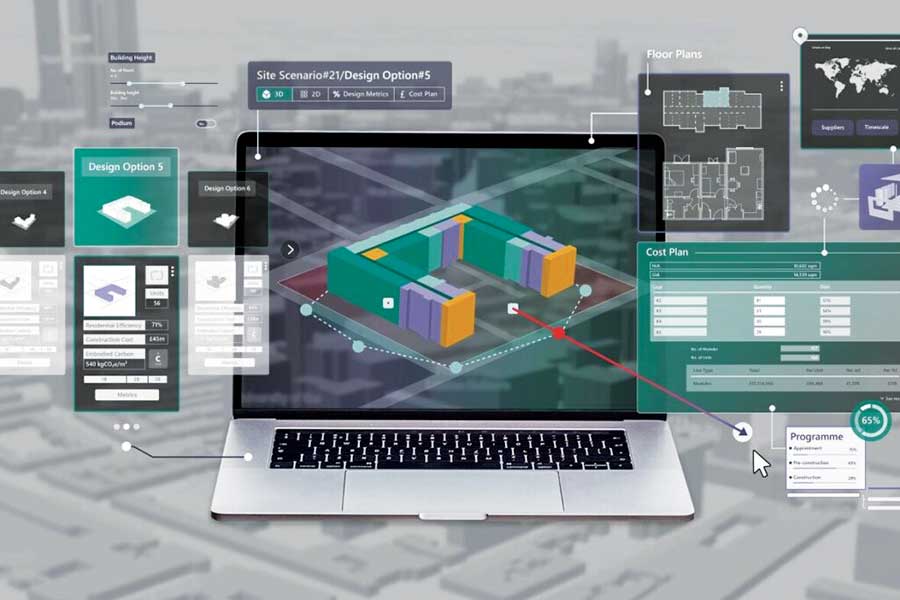
In May 2023 Modulous launched their online software platform, TESSA (Tech Enabled Solutions for Sustainable Architecture). It was developed to streamline the design and construction of multi-storey, multi-occupancy housing. Despite securing £10 million (AUD $19 million) in Series A funding in 2022, the firm’s financial woes stemmed from the withdrawal of a key investor and subsequent delays in securing additional funds.

Chris Bone, CEO and co-founder of Modulous, expressed his disappointment over the development, stating that while the firm had £30 million (AUD $57.2 million) of funding pledged, the sudden pullout of one investor and hesitation from others left them unable to bridge the funding gap. This led to the unfortunate decision to make all 52 staff members redundant in November.
Modulous’s approach, which combined technology with construction and boasted employees from tech giants like Google and Microsoft, promised innovation but struggled against the slow-moving nature of the UK construction market.
Modulous’s most notable project was a partnership with Bristol City Council to build 12 homes. However, this project too faced delays, adding to the company’s troubles. Bone highlighted the mismatch between the fast-paced venture capital market and the slower construction industry as a key challenge.
The company’s asset-light model, which avoided the high costs of factory operation by manufacturing modules at existing factories, was initially seen as a strength. However, the financial strain and the inability to quickly generate revenue became its downfall.
As Modulous enters administration, the fate of its employees and the completion of the Bristol project remain uncertain. The company’s administrators, Opus Restructuring, are overseeing the sale of its assets.